
Customer service is no longer a support function that businesses can afford to treat as secondary. It is one of the most powerful drivers of retention, loyalty, reputation, and long-term profitability. In nearly every industry, customers now expect immediate responses, accurate information, seamless follow-up, and personalized support across multiple channels. They do not want long waiting times. They do not want to repeat themselves. They do not want disconnected experiences between email, live chat, social media, phone calls, and messaging apps. They expect consistency, speed, and intelligence.
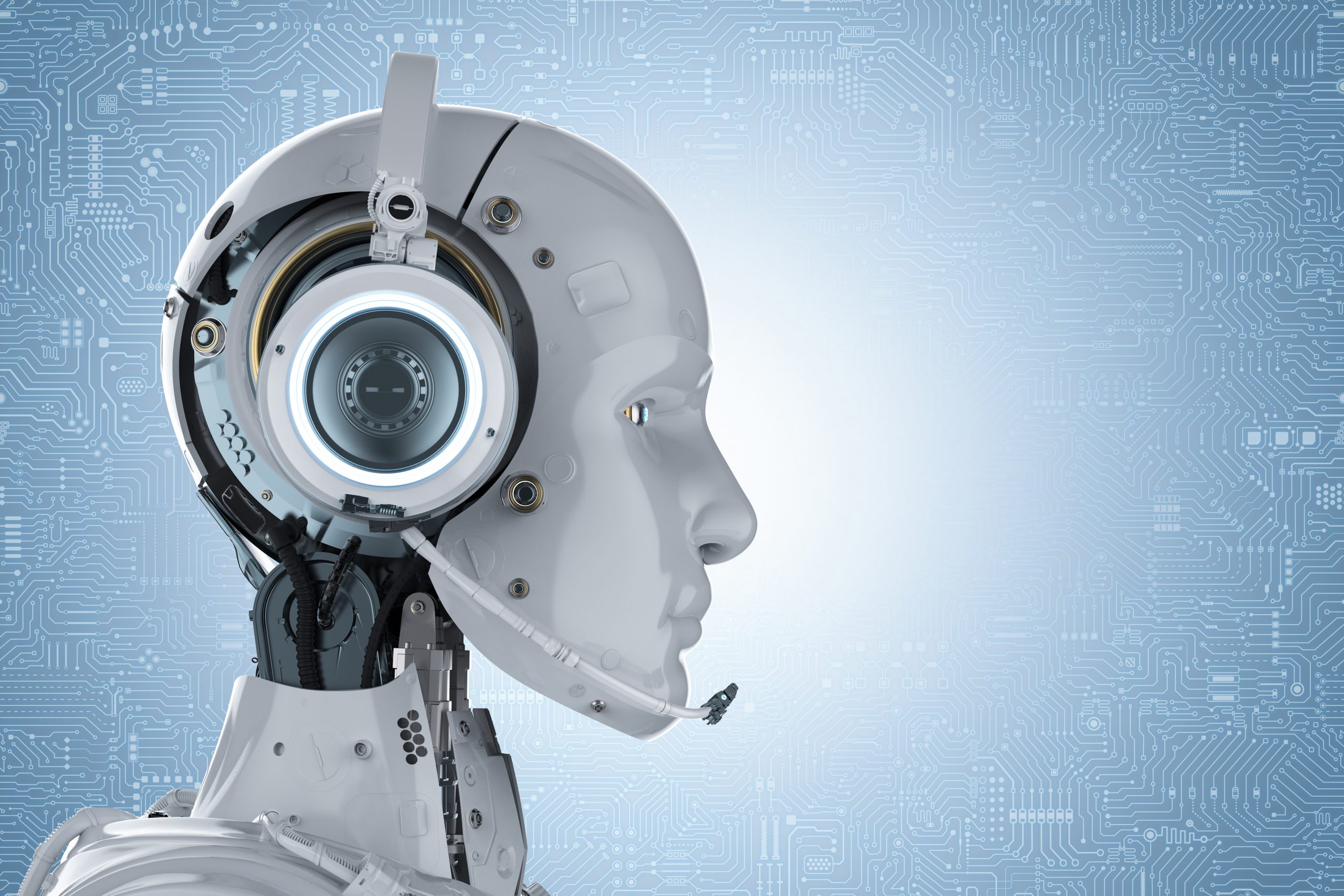
This is exactly why AI customer service automation has become one of the most important business investments of the modern era. Companies are no longer asking whether they should automate customer service. They are asking how fast they can do it, how intelligently they can implement it, and how they can do it in a way that improves satisfaction while reducing pressure on support teams.
At its best, AI customer service automation transforms support from a reactive process into a structured, responsive, scalable experience. It helps businesses handle repetitive inquiries instantly, route complex issues faster, personalize customer interactions, reduce operational cost, improve response time, and maintain service quality even during periods of high demand. It does not eliminate human value. It strengthens it by allowing service teams to focus on the conversations that truly require empathy, judgment, and relationship management.
For businesses aiming to grow, compete, and retain trust, the shift toward AI-powered customer support is no longer optional. It is becoming the standard.
- Shopify Partner – The Ultimate Guide to Choosing the Right Partner for Your Ecommerce Success
- Website Development Tips: The Ultimate Guide to Building High-Performing, User-Friendly, and Scalable Websites
- Shopify Store Setup Services – Build a High-Converting Online Store
- Google Ads Disapproved for Government Documents and Official Services: A Complete Guide to Fixing and Preventing Rejections
What AI Customer Service Automation Really Means
AI customer service automation refers to the use of artificial intelligence, machine learning, workflow systems, and conversational tools to manage and improve customer support operations. This includes automating responses, categorizing requests, routing tickets, analyzing sentiment, generating recommendations, predicting support needs, and helping businesses resolve customer issues faster and more accurately.
Traditional customer support automation usually follows fixed rules. A customer selects a form. The request goes into a queue. A response template is triggered. The process works, but only within narrow limits. It cannot adapt well to language nuances, urgency signals, emotional tone, or changing behavior.
AI adds intelligence to that process. It can interpret intent, recognize patterns, detect urgency, understand common questions in natural language, recommend solutions, summarize past interactions, and support customers in real time. Instead of acting like a rigid system, it behaves like a dynamic layer that helps businesses become more responsive and more efficient.
That is why businesses searching for AI customer service automation are not just looking for faster replies. They are looking for a better operating model.
Why Customer Service Needs Automation More Than Ever
Customer expectations have increased dramatically. A buyer who messages a brand at night expects an answer. A frustrated user who cannot access an account expects resolution without delay. A returning customer who already contacted support expects continuity, not repetition.
When support teams depend entirely on manual processes, performance starts to suffer as volume grows. Queues get longer. Agents become overloaded. Inconsistent responses appear. Customers receive delayed answers. Negative experiences spread quickly, especially in public channels such as reviews and social media.
This is where AI customer service automation becomes essential. It reduces the burden of repetitive tickets, shortens first-response time, improves accuracy in handling standard questions, and keeps service available outside traditional working hours. It also creates a more structured support system where customers feel seen, guided, and supported without unnecessary friction.
Businesses that automate well can support more customers without sacrificing quality. That improves both customer satisfaction and internal efficiency.
How AI Customer Service Automation Works in Practice
The practical value of AI in customer service appears across multiple layers of the support journey. It starts when a customer initiates contact and continues through ticket handling, agent support, escalation, follow-up, and reporting.
An AI chatbot can greet the customer, identify the issue type, verify simple details, and provide immediate help for common requests. If the matter is more complex, the system can route the case to the correct department automatically. At the same time, AI can summarize the interaction for the support agent, suggest likely solutions, and surface the customer’s previous history so the conversation continues smoothly.
After the issue is resolved, automation can send follow-up confirmations, feedback requests, knowledge-base recommendations, or retention offers where appropriate. In the background, the system can track patterns, identify recurring issues, detect sentiment trends, and highlight areas where the company needs operational improvement.
This means support no longer depends on isolated responses. It becomes a connected service ecosystem.
AI Chatbots for Instant Customer Support
One of the most visible forms of AI customer service automation is the chatbot. But the modern AI chatbot is not just a scripted pop-up on a website. When designed well, it becomes an intelligent service assistant capable of understanding real customer language, responding quickly, and guiding people toward resolution.
Customers often contact businesses with recurring questions. They ask about order status, return policies, billing issues, account access, appointment changes, delivery times, product availability, onboarding steps, and service terms. These inquiries consume time when handled manually, especially in large volumes. AI chatbots can handle these interactions instantly, twenty-four hours a day, without placing pressure on support staff.
This creates multiple benefits at once. Customers get immediate attention. Agents are freed from repetitive requests. Queue times decrease. Response coverage expands. Businesses become more reliable in the eyes of their audience.
The key is not to make the chatbot sound robotic. The goal is to make it useful, accurate, fast, and aligned with the brand’s service style.
Automated Ticket Routing and Smart Escalation
One of the most frustrating aspects of bad customer service is being passed from one person to another without progress. This usually happens because the system does not understand the issue early enough or lacks clear routing logic.
With AI customer service automation, tickets can be analyzed and categorized automatically. A billing issue can go directly to finance support. A technical issue can move to the product team. A high-value account concern can be escalated to senior service staff. An urgent complaint with negative sentiment can be flagged immediately for priority review.
This improves both speed and quality. Customers reach the right person faster. Agents handle cases that match their expertise. Businesses avoid wasting time on internal confusion. That leads to faster resolution and better customer trust.
Smart escalation is especially valuable for companies dealing with large support volume, multiple service categories, or regional teams.
AI-Powered Self-Service That Reduces Support Pressure
Many customers do not necessarily want to speak with an agent. They simply want a clear answer. When businesses provide effective self-service systems, customers solve issues faster and teams reduce ticket volume.
AI improves self-service by making help centers more intelligent. Instead of forcing users to search through static articles manually, AI can recommend the right content based on the question asked. It can surface specific instructions, troubleshooting steps, policy explanations, or account guidance based on intent.
This makes the support experience far more efficient. Customers feel empowered rather than blocked. Businesses reduce avoidable contact volume. Support teams can then dedicate more attention to cases that genuinely require human intervention.
A smart self-service ecosystem is one of the most cost-effective forms of AI customer service automation because it improves experience while lowering service overhead.
Personalization in Customer Service Through AI
Personalization has become a major differentiator in service quality. Customers do not want to feel like ticket numbers. They want support that recognizes context, history, and relevance.
AI helps businesses personalize customer service by analyzing previous interactions, purchase history, account status, behavior patterns, location, language preferences, and issue history. This allows the system to tailor responses more intelligently. A returning customer with an unresolved issue should not receive the same support flow as a first-time visitor asking a simple question. A premium client may require faster access to advanced support. A frustrated customer may need a more careful service tone.
Personalization creates emotional value. It makes service feel more human, even when automation is involved. That is one of the strongest reasons why AI customer service automation is so powerful when implemented correctly.
Supporting Human Agents Instead of Replacing Them
A common misunderstanding is that AI customer service automation exists to replace support teams. The reality is far more strategic. AI works best when it strengthens human agents rather than removes them.
Support professionals are still essential for complex issues, sensitive cases, relationship management, negotiation, empathy, and exceptions that require context-based judgment. What AI does is reduce repetitive load and improve agent effectiveness. It can summarize long conversations, suggest relevant responses, retrieve policy information instantly, recommend next steps, and shorten average handling time.
This support model improves both employee performance and customer experience. Agents become less exhausted by repetitive tasks. They can focus on higher-value interactions. Customers benefit from faster, better-informed service.
When businesses position AI as an assistant for support teams rather than a rigid barrier between the company and the customer, results improve significantly.
AI Customer Service Automation Across Multiple Channels
Customers do not contact businesses through one channel anymore. They may begin with a website chat, continue through email, ask a question on social media, and later follow up via WhatsApp or phone. If these touchpoints remain disconnected, the experience becomes fragmented.
AI automation helps unify customer service across channels. It can track interaction history, centralize context, maintain consistent language, and reduce the need for customers to repeat themselves. Whether the contact begins on live chat, Messenger, email, or a help portal, the support system can preserve continuity and route the conversation more intelligently.
This matters because consistency builds trust. Customers judge service not only by the answer they receive, but by how easy the journey feels from one touchpoint to another.
Using AI to Improve Response Time and Service Quality
Response time has a direct influence on customer satisfaction. Slow replies create uncertainty. Delayed updates increase frustration. Silence often damages trust more than the issue itself.
AI customer service automation improves response time in several ways. It provides instant first contact, reduces queue congestion, prioritizes urgent cases, supports agents with faster information access, and automates follow-up communication. This means the customer feels engaged immediately rather than ignored.
At the same time, AI improves service quality by reducing inconsistency. It helps standardize answers, surface accurate knowledge, and guide agents through approved workflows. That results in more reliable communication and fewer support errors.
Speed matters, but speed without accuracy creates new problems. AI helps businesses improve both at the same time.
How AI Helps Reduce Customer Service Costs
Customer support is essential, but it is also expensive when poorly structured. Large teams, repeated inquiries, agent overload, and inefficient routing all increase operational cost. Businesses that grow quickly often discover that support costs rise just as fast.
AI automation helps control that cost by managing scale more efficiently. Routine inquiries can be handled without agent involvement. Self-service reduces avoidable contacts. Ticket routing becomes more efficient. Agents solve issues faster because AI shortens the search for information. Reporting becomes clearer, so leadership can identify root causes and reduce recurring support demand.
This does not mean businesses should cut service quality to save money. The real advantage is that AI customer service automation can improve quality while making operations leaner.
Common Mistakes to Avoid in AI Customer Service Automation
Many businesses adopt automation too aggressively or too carelessly. They deploy chatbots that do not understand customer language. They create rigid flows with no human fallback. They automate responses without training the system on real customer questions. They prioritize cost savings over service quality.
These mistakes damage trust quickly.
Successful automation requires strategy. Businesses need to map common customer journeys, define escalation paths, connect data sources, maintain a strong knowledge base, review performance regularly, and ensure that customers can reach a human when needed. Automation should reduce friction, not create it.
The best AI customer service systems are not the ones that feel the most automated. They are the ones that feel the most helpful.
Why AI Customer Service Automation Is a Long-Term Competitive Advantage
Customer service is no longer just about fixing problems. It shapes retention, loyalty, customer lifetime value, reviews, referrals, and brand perception. Every interaction contributes to how the market sees the business.
That is why AI customer service automation is more than a productivity upgrade. It is a long-term competitive advantage. It helps brands serve faster, communicate more clearly, scale more effectively, and build stronger customer trust. It also creates an internal structure that allows support quality to remain stable even as the business grows.
Companies that invest in this area are not simply modernizing support. They are strengthening the entire customer experience.
The Future of Customer Support Is Intelligent, Fast, and Human-Centered
The future of support will belong to businesses that combine intelligence with empathy, automation with clarity, and efficiency with real customer care. AI is not valuable just because it reduces workload. It is valuable because it allows businesses to create support systems that are more responsive, more personal, and more scalable than manual processes alone.
That is the real power of AI customer service automation. It shortens response time. It improves routing. It enhances personalization. It supports human agents. It lowers cost. It creates continuity across channels. And it helps businesses turn support into a source of loyalty rather than friction.
For any company that wants to strengthen its customer relationships, improve operational performance, and compete in a market where service expectations continue to rise, AI customer service automation is one of the smartest strategic moves available today.
0 Responses
Share your perspective and continue the conversation.
No responses yet
Be the first to share your thoughts.
Join the conversation